This post contains affiliate links. If you'd like to purchase a recommended product, please use the links to support this blog. As an affiliate I earn from qualifying purchases. It doesn't cost you anything extra, it simply allows me to continue posting. Thank you for your support!
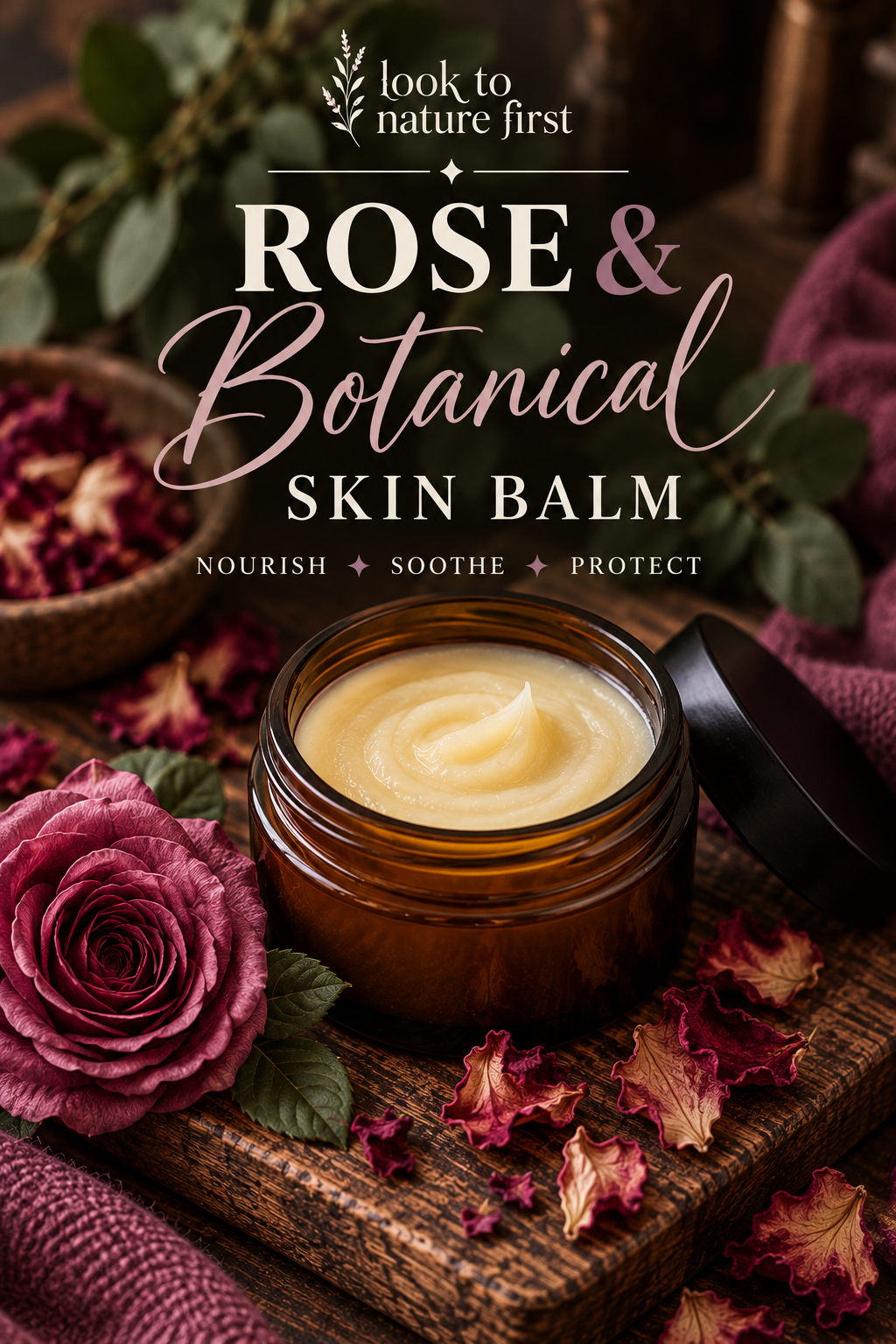
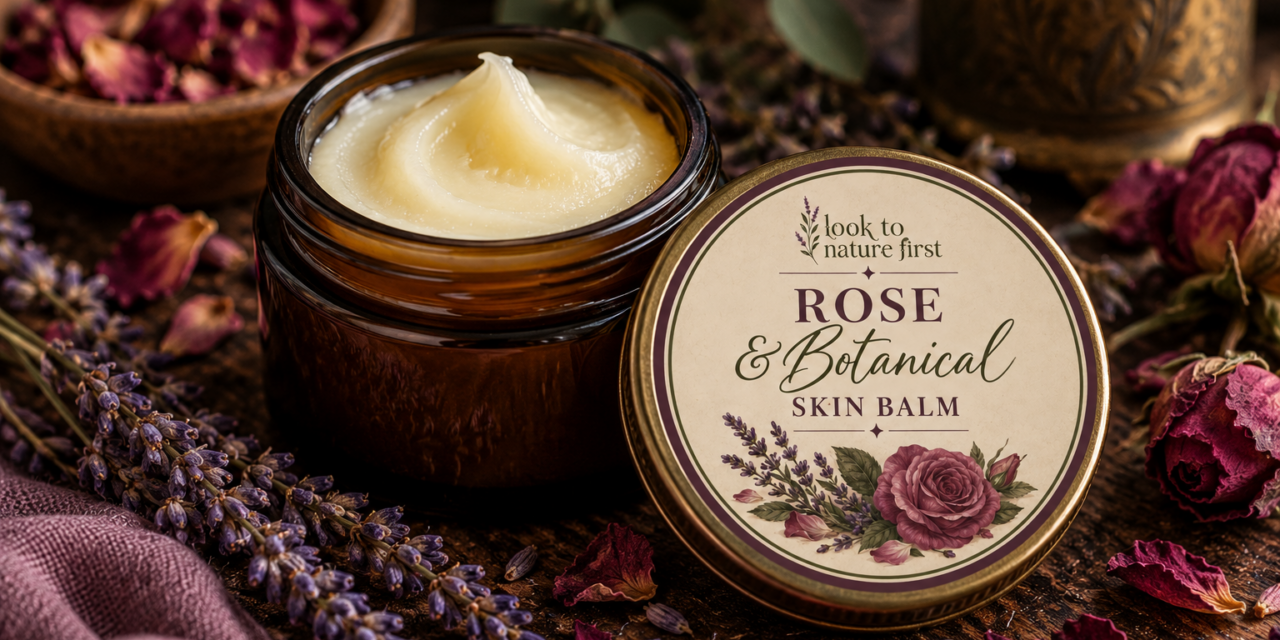
Create a little self-care ritual with this DIY Rose & Botanical Skin Balm, made with jojoba oil, shea butter, beeswax, vitamin E, and a beautiful blend of floral and earthy essential oils.
There is something special about creating your own skincare with ingredients inspired by nature. I love knowing what goes into the products I use and turning everyday self-care into a simple, intentional ritual.
If you enjoy making your own natural skincare, this homemade botanical balm is a lovely addition to your home apothecary. It combines nourishing plant-based ingredients with the soft floral aroma of rose and lavender, balanced by the warm, earthy notes of frankincense and patchouli.
Unlike a traditional skin cream, this recipe contains no added water or hydrosol. Instead, it creates a rich, protective balm that helps soften dry skin and reduce moisture loss.
Let’s explore the ingredients, their benefits, and how to make your own Rose & Botanical Skin Balm at home.
Why Make Your Own Botanical Skin Balm?
Making your own skincare allows you to become more familiar with botanical ingredients and choose what goes into your daily routine.
Plant oils and butters help condition the skin, while beeswax gives a balm its structure and creates a protective layer that helps slow moisture loss. Essential oils add a beautiful aromatic element, making your skincare routine feel like a small moment of self-care.
This recipe is especially lovely for dry hands, elbows, knees, and other areas that could use a little extra moisture.
Ingredients & Their Benefits
Jojoba Oil: Jojoba oil is a versatile ingredient in natural skincare. Technically, it is a liquid wax rather than a traditional vegetable oil, and its composition gives it a lightweight, skin-conditioning feel. Jojoba helps soften the skin and reduce moisture loss without the heavier feel that some oils can leave behind.
Jojoba is a wonderful base for homemade balms because it blends easily with other oils and butters and leaves skin feeling soft and conditioned.
Shea Butter: Shea butter is a rich plant butter extracted from the nuts of the shea tree. It is widely used in moisturizers, body butters, and balms because of its emollient properties. It helps soften rough, dry skin and contributes a creamy texture to this recipe.
Shea butter gives this balm a richer feel and makes it especially appealing for dry areas that need extra care.
Beeswax: Beeswax is a traditional ingredient in homemade salves and balms. It helps thicken the formula and gives the finished product its solid, scoopable texture. When applied to the skin, beeswax forms a protective film that helps slow moisture loss.
Beeswax is a staple in my home apothecary because it helps transform simple oils into a practical, easy-to-use balm.
Vitamin E Oil: Vitamin E is an antioxidant that helps slow the oxidation of oils in skincare formulations. It also contributes emollient properties that help the skin feel smooth and conditioned.
It is a useful addition to oil-based skincare, particularly when working with plant oils that can become rancid over time.
A note about preservation: Vitamin E is not a broad-spectrum preservative. It does not prevent bacteria, yeast, or mold from growing in a product that becomes contaminated with water.
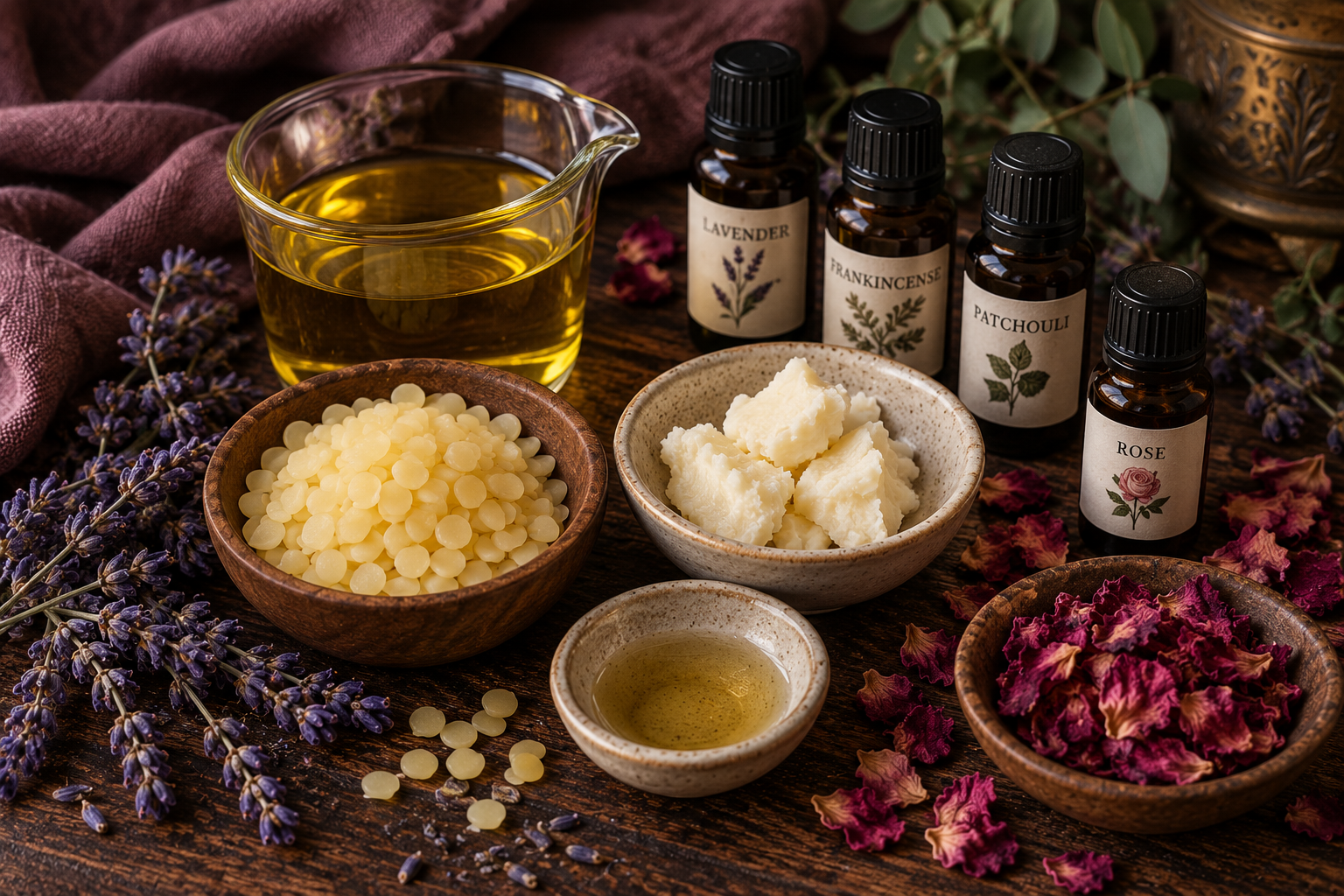
Lavender Essential Oil: Lavender essential oil is loved for its soft, floral-herbal aroma. It brings a relaxing sensory element to an evening skincare ritual and pairs beautifully with rose and frankincense. Lavender adds a gentle floral note that makes this balm feel like a little botanical luxury.
Frankincense Essential Oil: Frankincense essential oil has a warm, resinous, slightly woody aroma. It complements floral oils beautifully and adds depth to the fragrance blend.
Frankincense brings an earthy, grounding scent that fits perfectly with the natural apothecary feel of this recipe.
Patchouli Essential Oil: Patchouli essential oil has a rich, earthy, slightly sweet fragrance. It balances the floral notes of lavender and rose and adds warmth to the overall blend. A little patchouli gives this balm a distinctive botanical aroma without overpowering the other essential oils.
Rose Essential Oil: Rose essential oil is prized for its rich floral fragrance and is a beautiful addition to botanical-inspired skincare. It brings a luxurious aroma to this blend and complements the earthy notes of frankincense and patchouli. Rose adds a soft, elegant floral touch that makes this balm feel special.
Ready to elevate your ritual with pure, high-quality essential oils?
If you choose to shop with Far & Wild, you can enjoy 20% off your first purchase by using code ELISA20 at checkout.
It’s a beautiful way to begin (or deepen) your natural wellness journey with oils you can truly trust.
Rose & Botanical Skin Balm Recipe
This water-free recipe creates a rich balm for dry skin. Jojoba oil provides the liquid base, shea butter adds richness, and beeswax gives the balm its structure.
Ingredients
-
½ cup jojoba oil (mountain rose herbs | amazon)
-
2 tablespoons beeswax pastilles (mountain rose herbs | amazon)
-
1 tablespoon shea butter (mountain rose herbs | amazon)
-
¼ teaspoon vitamin E oil (mountain rose herbs | amazon)
-
5 drops lavender essential oil (mountain rose herbs | amazon | far & wild)
-
3 drops frankincense essential oil (mountain rose herbs | amazon | far & wild)
-
2 drops patchouli essential oil (mountain rose herbs | amazon | far & wild)
-
1 drop rose essential oil (mountain rose herbs | amazon)
These essential oil amounts are a starting point for a lightly scented balm, not a substitute for checking the safety limits of the specific oils you purchase. Verify the total fragrance concentration and supplier recommendations before making a batch, especially if you intend to use it on the face or other sensitive areas.
Yield: Approximately 4–5 ounces, depending on the ingredients and final volume.
Equipment:
-
A heat-safe glass or stainless steel bowl
-
A saucepan for a double boiler
-
A spoon or small spatula
-
Clean, completely dry cosmetic jars
-
A measuring spoon and suitable measuring equipment
Instructions
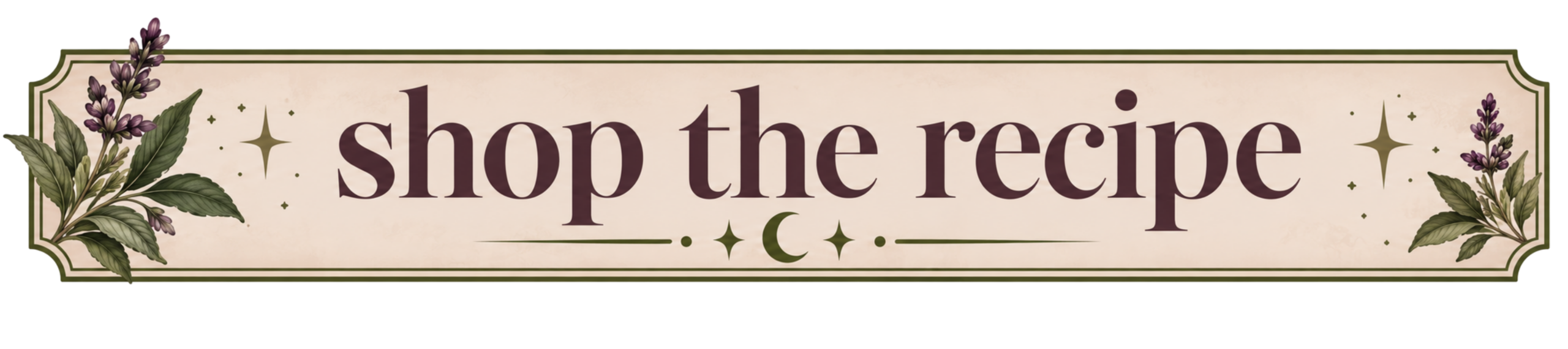
Melt the base ingredients: Add the jojoba oil, beeswax pastilles, and shea butter to a heat-safe bowl set over a saucepan of gently simmering water. Warm slowly, stirring occasionally, until the beeswax and shea butter have melted completely. Avoid overheating the mixture.
Remove from the heat: Carefully remove the bowl from the double boiler and allow the mixture to cool slightly while remaining liquid.
Add the vitamin E: Stir in the vitamin E oil until it is evenly distributed throughout the mixture.
Add the essential oils: Once the mixture has cooled sufficiently for the essential oils to be added according to the suppliers’ instructions, stir in the lavender, frankincense, patchouli, and rose essential oils. Mix thoroughly so the essential oils are distributed evenly throughout the balm.
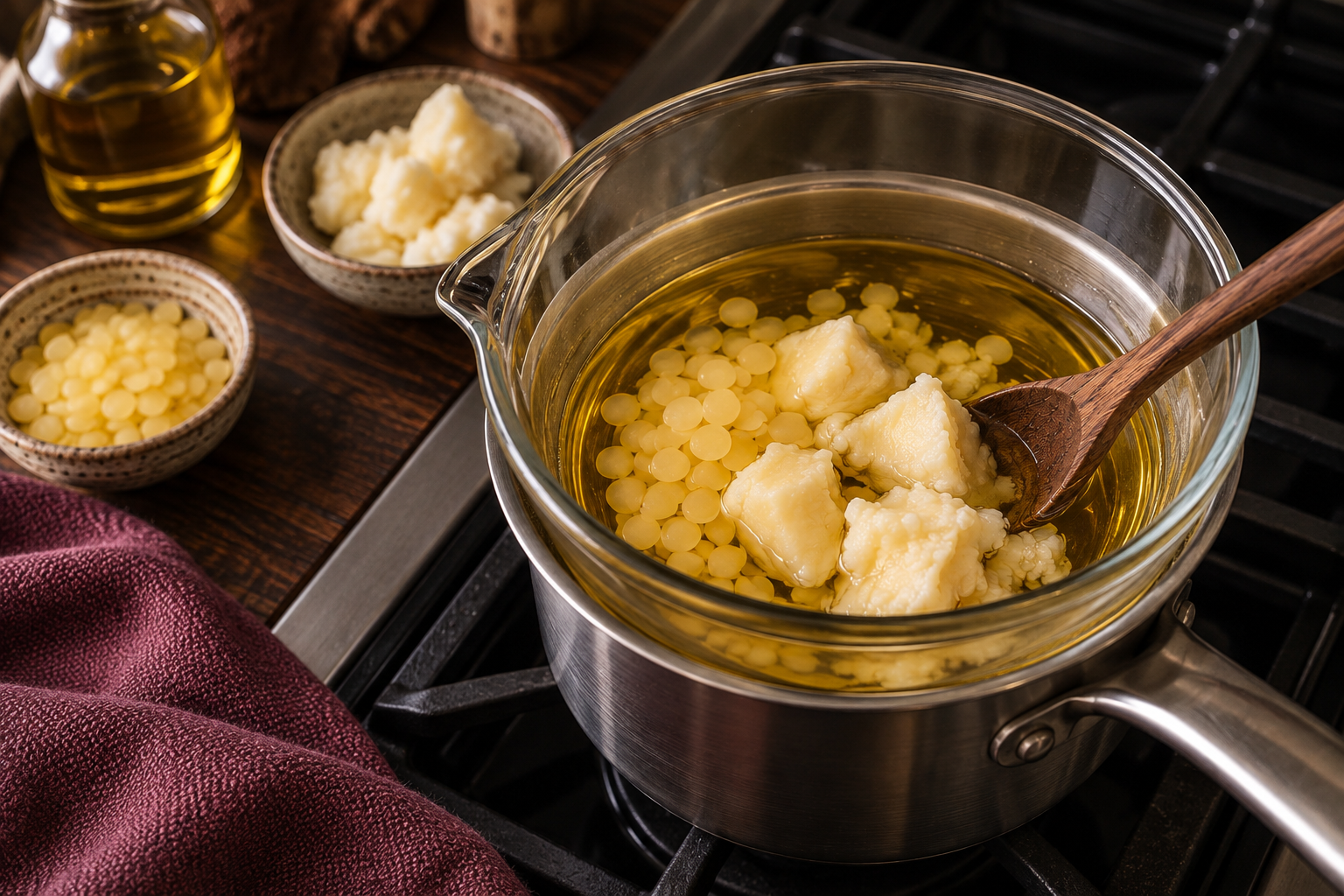
Pour into jars: Carefully pour the mixture into clean, completely dry cosmetic jars. Allow the balm to cool and solidify before securing the lids.
Label and store: Label your jars with the product name and date made. Store them in a cool, dry place away from direct sunlight and heat.

How to Use Your Homemade Skin Balm
Scoop a small amount of balm from the jar with a clean, dry spatula and warm it between your fingertips.
Massage gently into clean skin, concentrating on dry areas such as:
- Hands and cuticles
- Elbows and knees
- Dry areas of the legs
- Other areas that need extra conditioning
A little goes a long way. Because this is a rich, oil-based balm, it may feel heavier than a conventional lotion.
Patch-test the finished product before regular use. Avoid the eye area, broken skin, and irritated areas. Discontinue use if redness, itching, or irritation develops.
If you have acne-prone facial skin, you may prefer to reserve this richer balm for your body.
Storage & Shelf Life
Because this formula contains no intentionally added water or hydrosol, it does not require the same water-phase preservation system as a traditional cream.
However, water can be introduced accidentally through wet fingers, damp utensils, or contaminated containers. Keep the jar dry, use a clean spatula, and close the lid after each use.
Vitamin E can help slow oil oxidation, but it does not prevent microbial growth. The shelf life will depend on the freshness and stability of the ingredients, the cleanliness of your equipment, and how the balm is stored.
Discard the product if its smell, appearance, or texture changes. Do not assign a fixed shelf life without considering the stability of the specific ingredients and the finished formula.
Tips for Making Natural Skincare at Home
Start with quality ingredients. Choose fresh, reputable oils and butters and essential oils intended for topical use.
Keep everything clean and dry. Sanitize your equipment appropriately and make sure jars are completely dry before filling them.
Measure carefully. Essential oils are concentrated ingredients. More is not necessarily better, and a pleasant fragrance does not guarantee that a formula is skin-safe.
Make a small batch first. This lets you evaluate the texture, fragrance, and how the balm feels on your skin before making more.
Keep a record of your recipe. Write down your ingredients, suppliers, batch date, and any changes you make. This is especially helpful as you build your home apothecary.
A Little Botanical Self-Care
You don’t need a cabinet full of expensive products to begin exploring natural skincare. Learning about a few versatile ingredients can help you understand how plant oils, butters, waxes, and aromatic botanicals work together.
This Rose & Botanical Skin Balm is a lovely way to explore oil-based skincare while creating a simple product for your self-care routine.
Take your time, enjoy the process, and remember that natural ingredients deserve the same thoughtful handling as any other skincare ingredients.
🌿 New to Herbalism?
Not sure where to start? My Mountain Rose Herbs Shopping Guide makes it easy to build your herbal pantry with three simple collections:
Hydration • Home Apothecary • Evening Ritual
I’ve included the herbs I recommend, how to use them, and why I keep them in my own pantry.
👉 Explore the shopping guide here.
Want to learn more about herbalism? Come join me over at the Herbal Academy!
If you tried anything on the blog I would appreciate it so much if you would give it a star review and comment! Also be sure to snap a picture of your creation and share it with me on Instagram and tagging me @elisaingram.
Be sure to follow along on Pinterest, Instagram and Facebook for even more recipes and wellness tips!
Love & Wellness,
Elisa



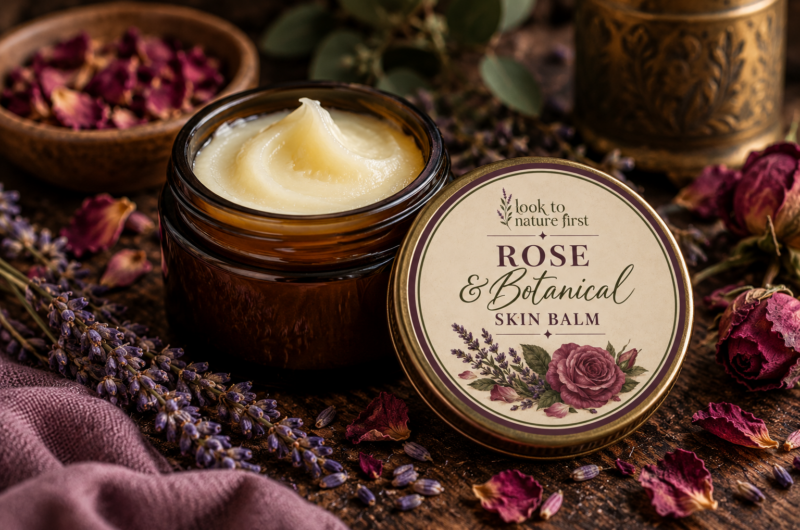
Make your own Rose & Botanical Skin Balm with jojoba oil, shea butter, beeswax, and floral essential oils. This simple DIY recipe brings botanical self-care to your home apothecary with a rich, nourishing balm for dry skin.
Ingredients
½ cup jojoba oil
2 tablespoons beeswax pastilles
1 tablespoon shea butter
¼ teaspoon vitamin E oil
5 drops lavender essential oil
3 drops frankincense essential oil
2 drops patchouli essential oil
1 drop rose essential oil
Directions
- Melt the base ingredients: Add the jojoba oil, beeswax pastilles, and shea butter to a heat-safe bowl set over a saucepan of gently simmering water. Warm slowly, stirring occasionally, until the beeswax and shea butter have melted completely. Avoid overheating the mixture.
- Remove from the heat: Carefully remove the bowl from the double boiler and allow the mixture to cool slightly while remaining liquid.
- Add the vitamin E: Stir in the vitamin E oil until it is evenly distributed throughout the mixture.
- Add the essential oils: Once the mixture has cooled sufficiently for the essential oils to be added according to the suppliers' instructions, stir in the lavender, frankincense, patchouli, and rose essential oils. Mix thoroughly so the essential oils are distributed evenly throughout the balm.
- Pour into jars: Carefully pour the mixture into clean, completely dry cosmetic jars. Allow the balm to cool and solidify before securing the lids.
- Label and store: Label your jars with the product name and date made. Store them in a cool, dry place away from direct sunlight and heat.